

New law requires California’s insurer of last resort to post policy counts by ZIP code and total risk exposure every quarter
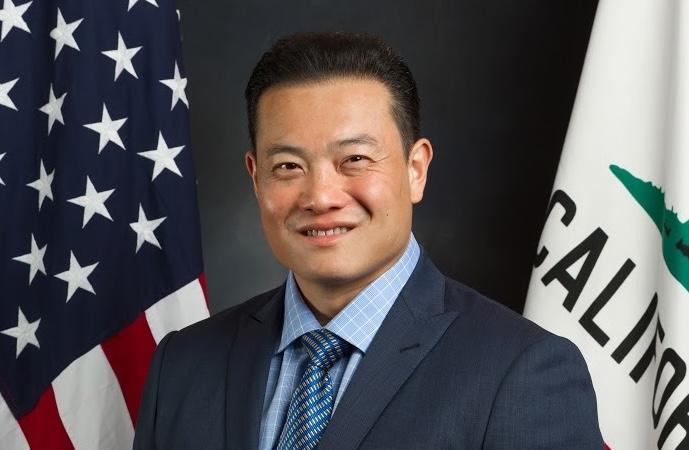
More than 675,000 Californians insured through the FAIR Plan are now paying more, after the insurer of last resort’s 29.1% average rate increase took effect Oct. 15. A new law by Assemblymember Phillip Chen will make the plan show the public, ZIP code by ZIP code, how many properties it covers and how much risk it carries.
The increase is the largest in the plan’s recent history, and some homeowners in high wildfire risk areas will see their wildfire premiums double, KQED reported. Los Angeles County also opened an investigation on Oct. 7 into how the FAIR Plan handled claims from the January 2025 Eaton and Palisades fires, citing resident complaints of delays, underpayments and denials.
Assembly Bill 2061 was signed Sept. 30 and filed as Chapter 918, Statutes of 2026. It requires the California FAIR Plan Association to post on its website each quarter the number of policies it has issued in each ZIP code and its total risk exposure. The bill drew no opposition in either house, passing the Senate 40-0 and clearing its final Assembly vote 78-0 on Aug. 31.
The plan, a safety net for property owners who cannot find coverage in the regular market, keeps growing. As of June 2026, the plan had 696,562 policies in force, up 157% since September 2022, and total exposure of $768 billion, up 250% over the same period, according to the FAIR Plan.
Chen, an assemblyman who represents the 59th Assembly District in Orange and San Bernardino counties, made his case in a statement quoted in the Assembly Insurance Committee’s April 22 analysis of the bill.
“The FAIR Plan should be transparent with their data and make every effort to allow every Californian to be easily informed about the insurance market in the state,” Chen said in the statement.
That statement described an earlier version that also called for reporting claims activity and policyholders moved out of the plan through its clearinghouse program. The final law keeps the two core requirements, ZIP code policy counts and risk exposure. It also deletes a requirement that the association publish its toll-free number in all general distribution telephone directories.
The committee analysis notes that the California Department of Insurance, by executive action on July 1, 2025, required the FAIR Plan to post total exposures, policy counts and financial data online. The analysis says the bill “builds off of this executive action and places more structure and requirements of the FAIR Plan.” The Little Hoover Commission registered support, and no opposition was on file. Republican state Sen. Roger Niello coauthored the bill and carried it on the Senate floor.
Pressure on the plan has built for years. State Farm General Insurance Co. stopped accepting new homeowners applications in California effective May 27, 2023, citing “historic increases in construction costs outpacing inflation, rapidly growing catastrophe exposure, and a challenging reinsurance market.”
Then came the January 2025 Palisades and Eaton fires. On Feb. 11, 2025, Insurance Commissioner Ricardo Lara approved the FAIR Plan’s request to assess its member insurers $1 billion so it could keep paying claims. The plan had exhausted $510 million in retained earnings and estimated its total loss from the two fires at about $4 billion, according to the commissioner’s order. Under the deal, insurers may recover half of the assessment from policyholders through a temporary supplemental fee, subject to the commissioner’s approval.
Lara’s answer has been his Sustainable Insurance Strategy, completed in December 2024. On Aug. 3, the department reported that FAIR Plan growth slowed to 1.9% in the second quarter of 2026, a net gain of 12,305 policies. The department estimated that about 24,000 policies left the plan in April and May, and said 11 homeowners insurance groups and two major commercial insurers have committed to grow in the state under the strategy.
“We are turning the corner. FAIR Plan growth has slowed for three consecutive quarters, thousands of policies are leaving the Plan, and insurance companies are writing more coverage under our new rules,” Lara said in the release.
AB 2061 writes quarterly ZIP code reporting into state law. The department’s 2025 disclosure requirement was an executive action.
Chen serves as vice chair of the Assembly Banking and Finance Committee and sits on the Insurance Committee.
