

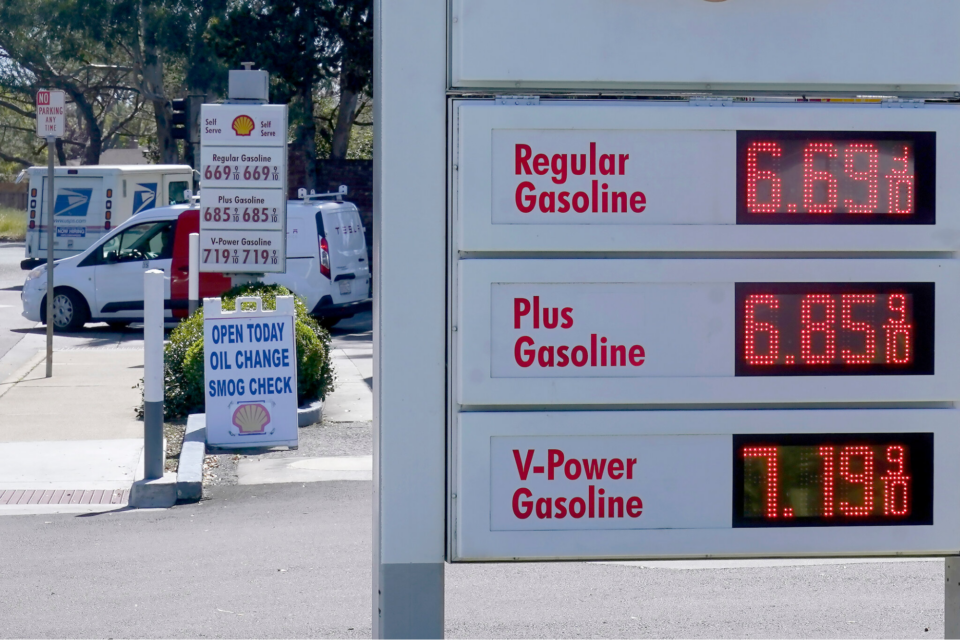
Lawmakers approved an urgency clause to accelerate implementation, drawing criticism over rising energy costs for Californians.
California Assembly Democrats have advanced legislation extending the state’s cap-and-trade program with an added urgency clause, allowing the policy to take effect immediately upon the governor’s signature rather than following the traditional Jan. 1 implementation timeline.
The measure passed with a two-thirds vote, including support from Assembly Speaker Robert Rivas and dozens of Democratic lawmakers, while Assemblymembers Jasmeet Bains and Tina McKinnor abstained.
The urgency clause enables the program’s compliance costs—often associated with fuel pricing—to be implemented without delay.
Criticism quickly followed from Republican lawmakers, who argue the move will increase gasoline prices for Californians already facing elevated costs.
In a Spectrum News interview, State Sen. Tony Strickland (R-Huntington Beach) emphasized that Sacramento should focus on providing relief for California working families.
“It should be a priority to lower the gas prices and give relief to hardworking California families that right now are having to decide between a gallon of milk and a gallon of gas.”
The legislation builds on California’s climate framework established under AB 32, signed in 2006 by former Gov. Arnold Schwarzenegger.
The original law authorized the California Air Resource Board to regulate greenhouse gas emissions through mechanisms including cap-and-trade.
Under the program, fuel suppliers must purchase carbon allowances, costs that are often passed along to consumers. According to the California Air Resources Board, the policy is designed to reduce emissions while maintaining economic growth.
However, GOP leaders in Sacramento have raised concerns about the urgency clause itself. State Senator Roger Niello said in a recent statement, “At this moment, families are feeling the squeeze at the pump, at the grocery store, in their utility bills, and in the cost of running a business. Major regulations should not move forward without a clear understanding of how they affect Californians’ cost of living. Every new rule, no matter how well intended, has real consequences,” said Niello.
The urgency destination, typically reserved for emergencies, requires a supermajority vote and allows laws to bypass the standard delayed enactment period.
California has also seen a decline in refining capacity in recent years, contributing to supply constraints. Data from the U.S. Energy Information Administration shows that refinery closures have reduced in-state production, increasing reliance on imports and heightening price volatility.
The vote is expected to become a focal point in upcoming elections, particularly as voters weigh rising living costs against the state’s climate policies.
