

Six-month probe points to taxes, regulations, refinery closures, and supply limits as primary cost drivers
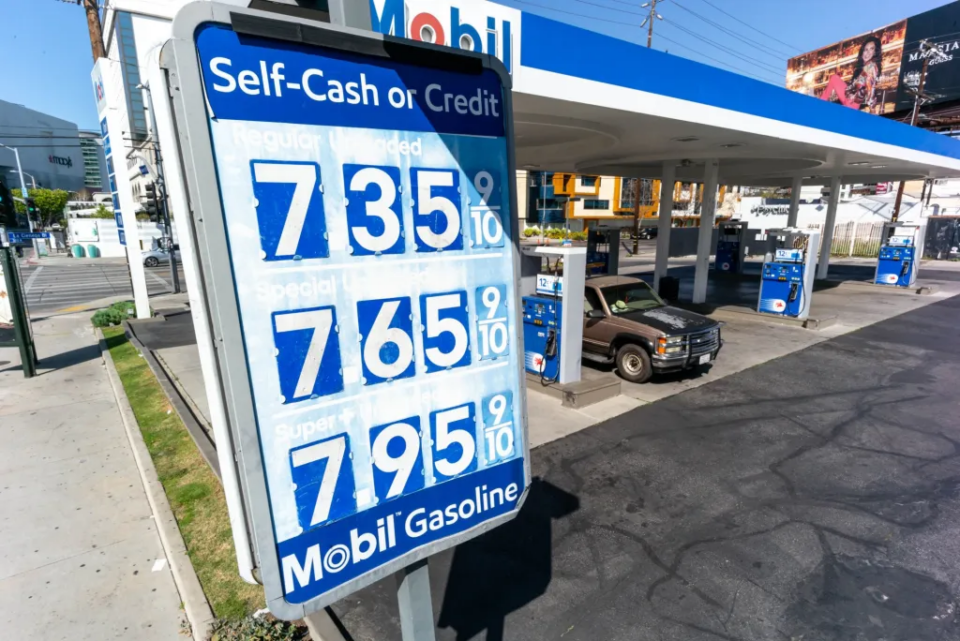
Californians are paying the highest gas prices in the country, but a six-month investigation by CBS News California found the burden is being driven more by state policies and supply challenges than by price gouging, despite years of claims from political leaders.
“For years, California leaders accused oil companies of price gouging,” the report stated, but after an extended review, “state officials say they found no evidence of illegal price gouging.” Wade Crowfoot said regulators identified factors behind price spikes but would not “be in a position to point a finger.”
The findings follow years of scrutiny from officials, including Gov. Gavin Newsom, who previously backed a legislative effort to investigate oil company profits. That effort produced new oversight laws but did not uncover unlawful activity.
Instead, the report found that about 55% of the cost per gallon in California comes from state-specific factors such as taxes, environmental programs, and regulatory requirements. These include the state’s cap-and-trade system, low-carbon fuel standards, and a specialized gasoline blend that increases refining costs.
Economist Severin Borenstein also pointed to a persistent “mystery surcharge” that emerged after a 2015 refinery outage, noting that price spikes are often tied to supply disruptions in California’s isolated fuel market.
The investigation further highlighted refinery closures as a major factor tightening supply. Facilities operated by Valero Energy and Phillips 66 have shut down, removing nearly one-fifth of the state’s refining capacity.
“California is a tough place to do business for refiners,” said Tolly Graves, citing high operating and regulatory costs.
As capacity declines, California is increasingly relying on overseas suppliers, which can take weeks to deliver fuel and expose the state to global supply disruptions. “That’s going to spike prices, and it’s going to be three weeks before we can get resupply,” said Andy Walz.
The report concluded that the policy debate is shifting toward how the state can balance climate goals with maintaining affordable and stable fuel supplies.
