

By altering five Republican districts in the state, current Democratic members of the CA Assembly and Senate might be making a run for higher office after crafting new districts.
Four California Democrats could be eyeing a spot in Congress should the new congressional district map be approved.
The new map is targeting five specific Republic held seats in Congress, out of the only nine that they currently have, however there are four seats that face potential opportunities for current California Legislators.
District 1
California’s District 1 would change dramatically under the new proposal. The currently inland district would be reshaped to include a larger stretch of the Coast.


Though the current makeup of the voter base is 27% Democratic and 45% Republican, new propositions flip those numbers to 41% and 31% respectively. What is notable about this new district is that the new map would include CA Senator and Democratic Leader Mike McGuire’s constituency. McGuire will term out in 2026 and sources say with a new district makeup, he could challenge incumbent Republican Rep. Doug LaMalfa.
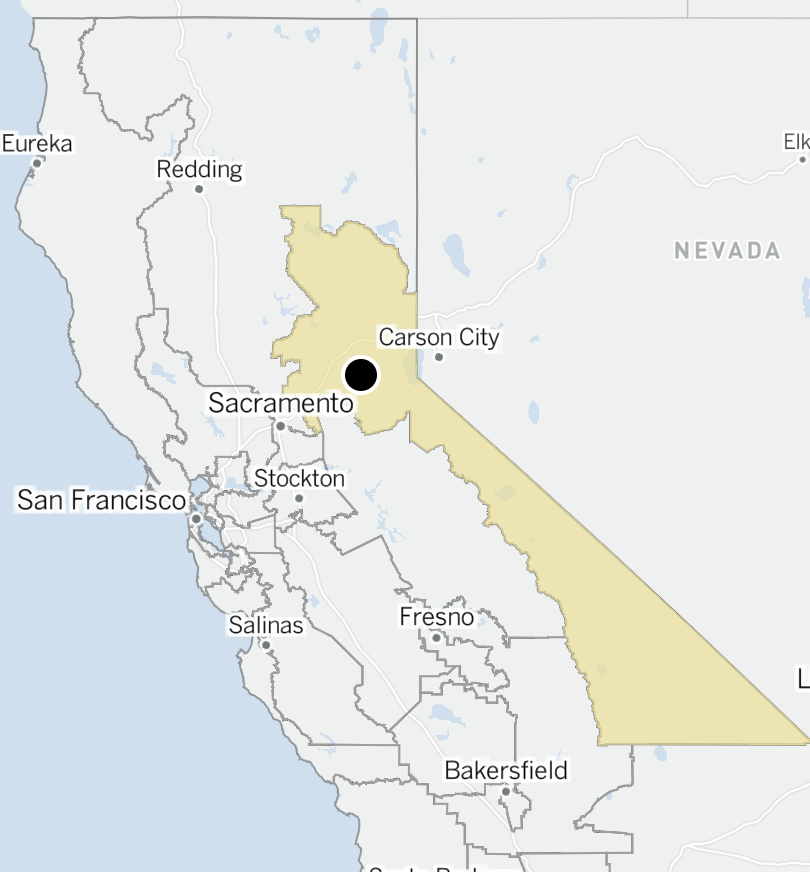
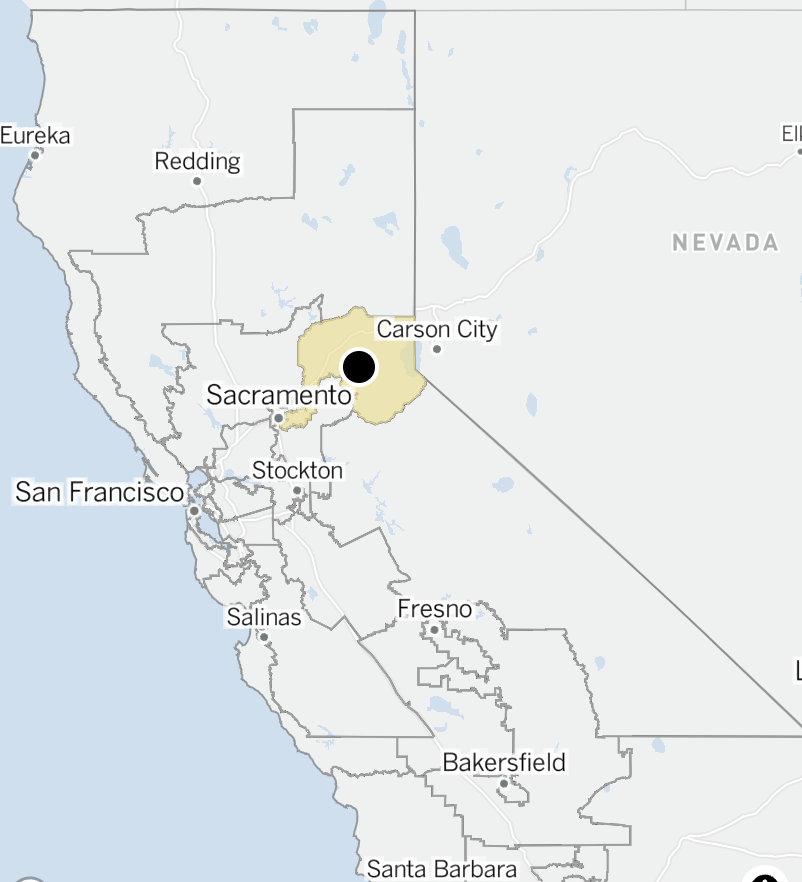
District 3
This district is yet another that has been dramatically physically altered.
Current Republican Representative Kevin Kelley spoke out against the redistricting. “This is a moment for every Californian and every American of decency, regardless of party affiliation, to speak out against the abject corruption that our governor is attempting,” he said during a speech on the House floor. He actually went so far as to introduce H.R. 4889 to prohibit states from “carrying out more than one Congressional redistricting after a decennial census and apportionment.”
With the district being redrawn with more Sacramento suburbs, it is possible that current District 6 Democrat Ami Bera could run again for his seat, or could run in the newly formed District 3. Sources report that Bera is considering both options, though Kiley is running again for his district regardless.
District 18
Though less obviously altered in physical boundaries, the newly proposed District 18 poses its own challenges for current Democrat Representative Zoe Lofgren.
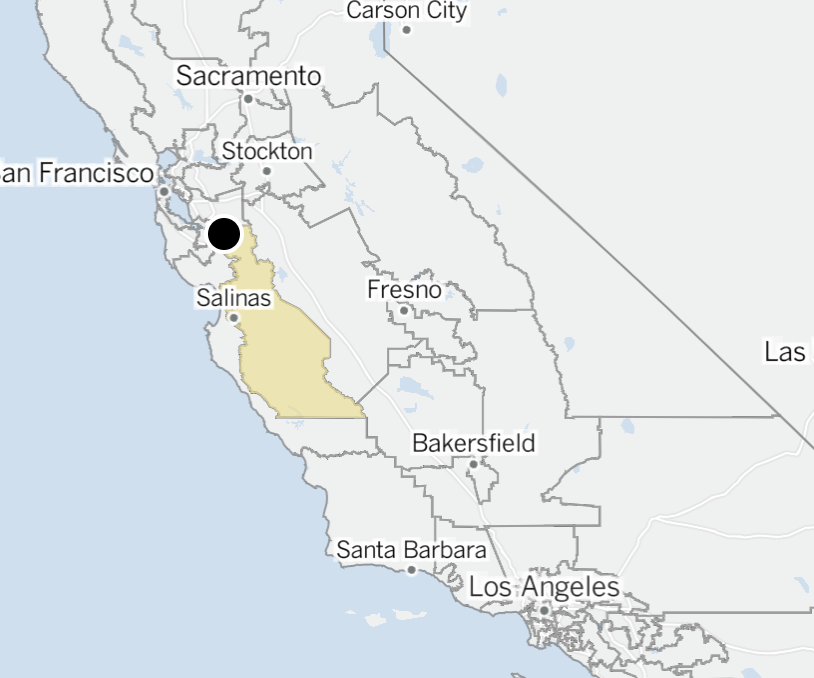
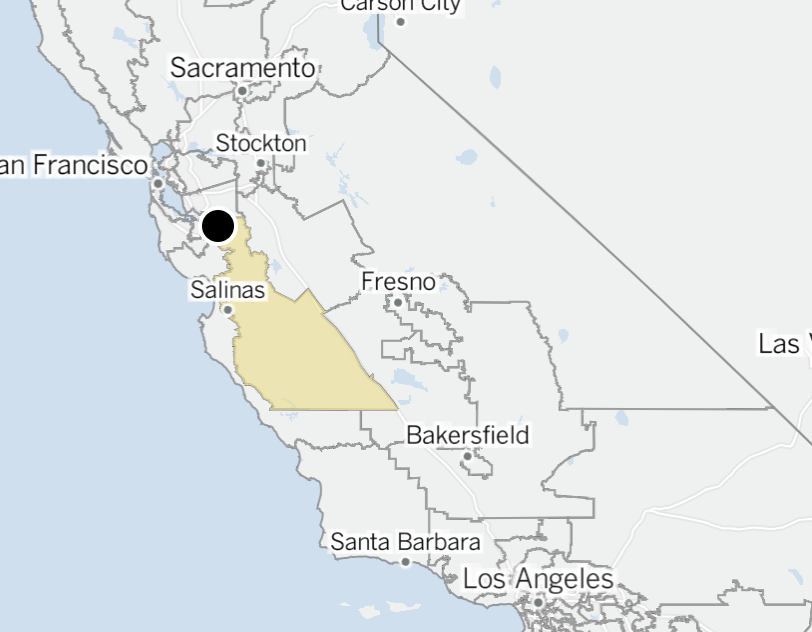
The new district still contains parts of Rivas’ community and has a 51% Democrat makeup.
While the Senate does not have term limits, if Lofgren does retire, since the District is a Democratic stronghold, State Assembly Speaker Robert Rivas could seek to run for higher office, though his campaign says the redistricting and that decision are not related.
Rivas himself has maintained that the maps are for the voters when he said, “If there is another state with a more transparent process, where voters will get the ultimate say in these new maps, please let me know what it is.”
District 22
Part of the changes that happened to District 18 was the absorption of parts of District 22 to make it longer, as opposed to round.
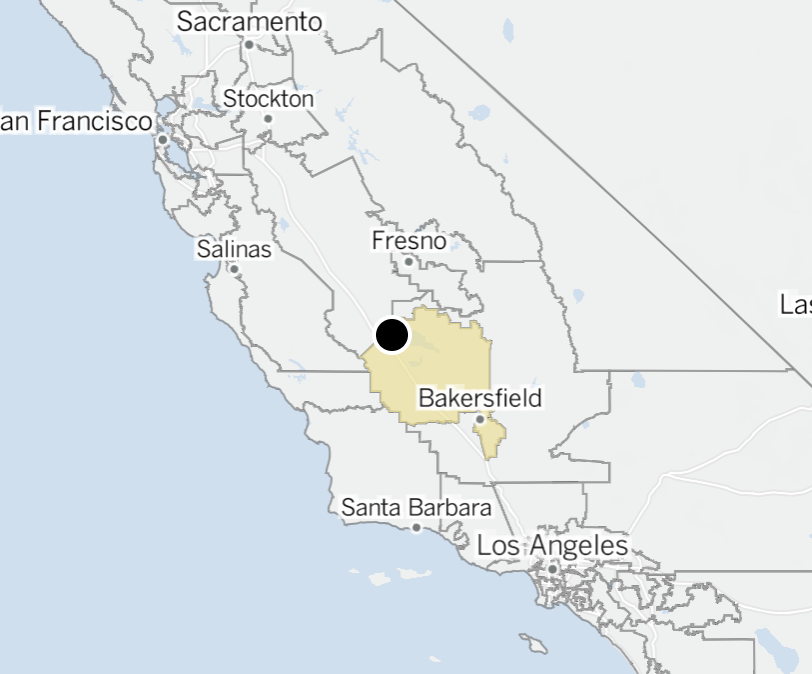
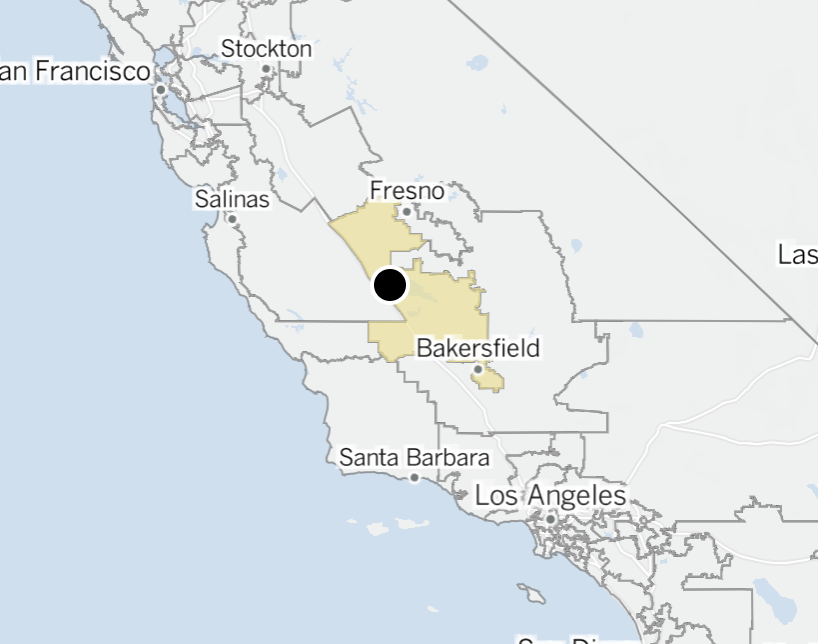
This District, held by Republican Rep. David Valadao, has been directly targeted for its voter registration. In new maps, Democratic registered voters could increase from just above 40% to 42% and more aggressively shrink Republic registered voters from just above 38% to 25%.
Many outlets report that because of this dramatic change that Assemblymembers Jameet Bains or Rudy Salas could consider running. Bains in particular already announced her bid to run earlier this year as a “moderate, oil-friendly Democrat.”
Assemblymember Bains also plans to address Valadao’s cuts to Medicaid, stating, “I have the experience and knowledge of providing rural health care, and that’s what’s important to me, and that’s what I’m going to continue stressing.”
It is also important to note that Bains is not in favor of the redistricting plan. “This has become a race to the bottom where an eye for an eye will make the whole world blind. We don’t need more ways for politicians to rig the system. I oppose any effort to circumvent independent redistricting, and the courts should act to stop these political games,” Bains said.
Meanwhile, both Districts 41’s Rep Ken Calvert and District 48’s Darrell Issa also face challenging races for Republicans by Democrats, but none from current California legislators.
In support of the map, Newsom said that “We are talking about emergency measures to respond to what’s happening in Texas and we will nullify what happens in Texas.”
His map, which was released to the public on Friday, Aug. 15 after being drafted behind closed doors by Democrat legislators, is expected to be voted on by the Legislature on Thursday, Aug. 21. From there, Newsom’s proposal will be placed on a ballot before voters in the statewide special election on Nov. 4.
